
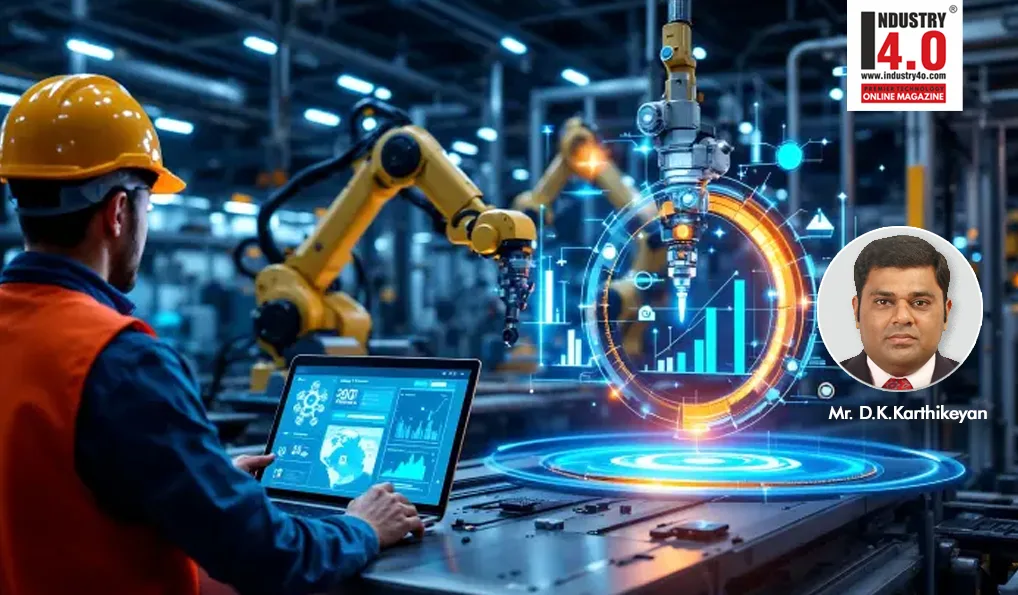
AI a Game Changer in Manufacturing Industry
Artificial Intelligence is a massive game changer in the manufacturing industry. AI transforms traditional factories into highly efficient, data-driven environments. By utilizing machine learning and predictive analytics, manufacturers can drastically cut costs, accelerate product development, eliminate assembly-line defects, and prevent costly equipment breakdowns.
AI shifts factory operations from reactive problem-solving to proactive optimization, frequently reducing machine downtime by up to 50% and boosting plant productivity
How Leading Manufacturers are leveraging AI across the below critical areas in Manufacturing :

1. Predictive Maintenance
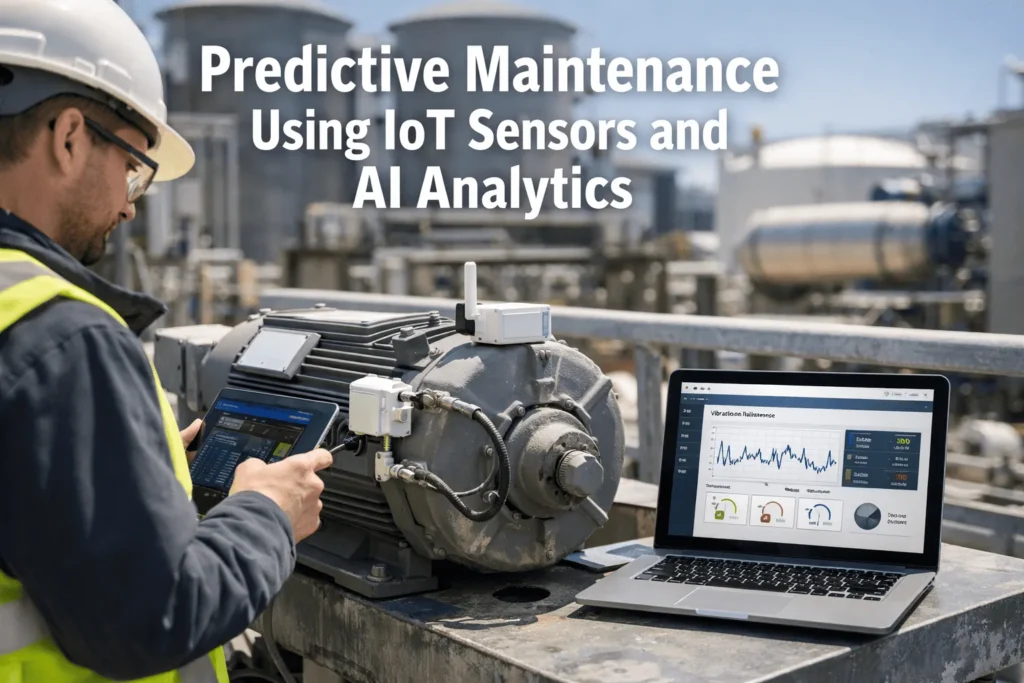
Unplanned machine downtime is one of the most expensive headaches for manufacturers.
AI Predictive Maintenance uses machine learning algorithms and IoT sensors to continuously monitor equipment health and forecast failures before they happen.
AI leverages IoT sensors to continuously monitor machine health, detecting subtle anomalies that indicate an impending failure. This allows factories to fix equipment before it breaks, avoiding production halts and extending machinery lifespan.
Machine sensors monitor equipment and analyze data to forecast component failures, preventing catastrophic downtime.
2. Enhanced Quality Control and Defect Detection
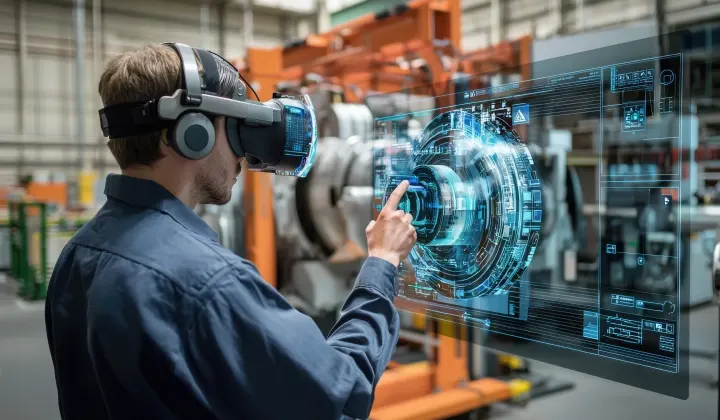
 Manual quality inspections are time-consuming and prone to human error. AI-powered computer vision can identify microscopic flaws, variations, or inconsistencies on assembly lines in real-time. This significantly reduces scrap, rework, and ensures only high-quality products reach consumers
AI-driven computer vision systems inspect products in real-time, catching microscopic defects and significantly reducing waste.
3. Supply Chain and Logistics Optimization
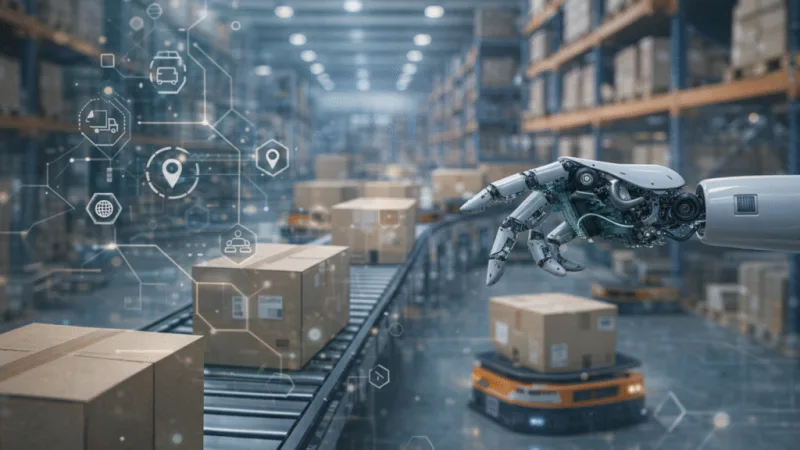
Supply chain networks are incredibly complex. AI predicts demand trends with greater precision, helps balance factory operations with real-time inventory, and reroutes shipments to avoid logistical bottlenecks. This agility creates more resilient systems that can adapt to sudden supply disruptions.
Algorithms analyze historical trends and real-time market data to accurately forecast demand, balance inventory, and optimize logistics.
 4. Generative Design
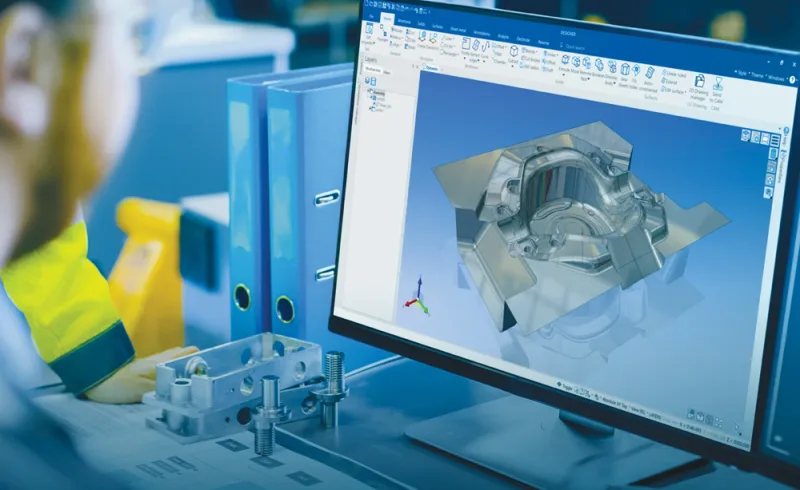
Instead of engineers manually designing and testing components through long trial-and-error cycles, AI-powered generative design software allows users to input specific parameters (e.g., weight, materials, strength).
The AI instantly provides hundreds of optimized, lightweight designs, speeding up time-to-market and reducing material waste.
5. Energy Management
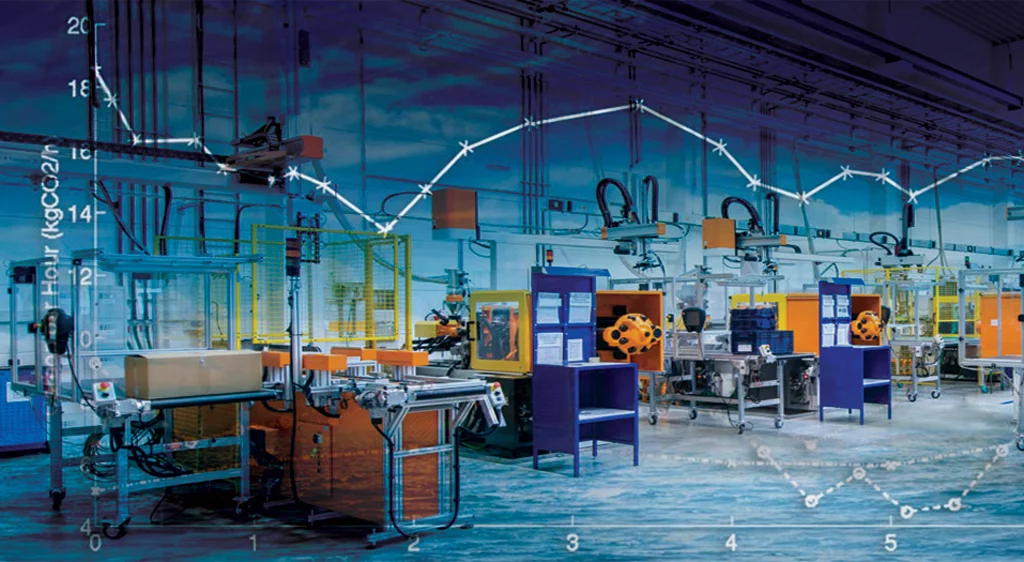
Effective use of energy resources is becoming more and more necessary as the demand for energy keeps rising.
AI identifies inefficiencies in power consumption across heavy assets, improving overall sustainability and reducing operating costs.
Intelligent energy management solutions enable industrial operators to optimize energy use, reduce costs and enhance plant performance.
6. Smart Robotics and Human-Robot Collaboration
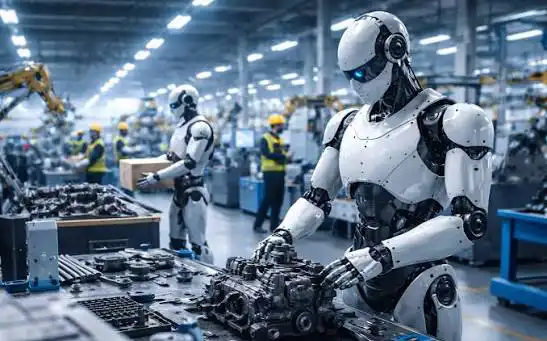
AI-enabled robotics can learn and adapt almost like humans, allowing them to take over dangerous, repetitive, or intricate tasks. Collaborative robots (or “cobots”) work safely alongside human operators, increasing overall factory floor productivity and workplace safety.

Conclusion
AI isn’t just another tool—it’s a strategic shift.
If Industry 4.0 was about connecting the dots, AI is about predicting what’s next.
Scaling AI requires patience, persistence, and a willingness to iterate. But the rewards—greater efficiency, smarter decision-making, and enhanced customer value—are worth the effort.
With AI, the manufacturing industry is already seeing game-changing results across its operations.
Real-world success stories across the globe indicate that early adopters of these technologies are capturing market share and building more resilient operations.
Artificial Intelligence is no longer an emerging technology – it has become a driving force behind business transformation, scientific advancement, and global innovation.
As industries continue to evolve, the organizations shaping AI are establishing the standards that will define tomorrow.
#ai #artificialintelligence #digitaltransformation #technology #tech
#manufacturing #production #industry #factory #productivity #sme #msme
 Crafted & Edited by :

Mr. D.K. Karthikeyan
Editorial Director – Industry4o.com
Director – Texas Ventures
Leader ( Strategic Selection ) – Thought Leadership 4.0

Mr. D.K. Karthikeyan can be contacted at :
LinkedIn | FaceBook | Twitter | Instagram | E-mail (1) | E-mail (2)
Mobile : +91 97860 12122
Also Read Mr. D.K. Karthikeyan earlier article :